Philosophy
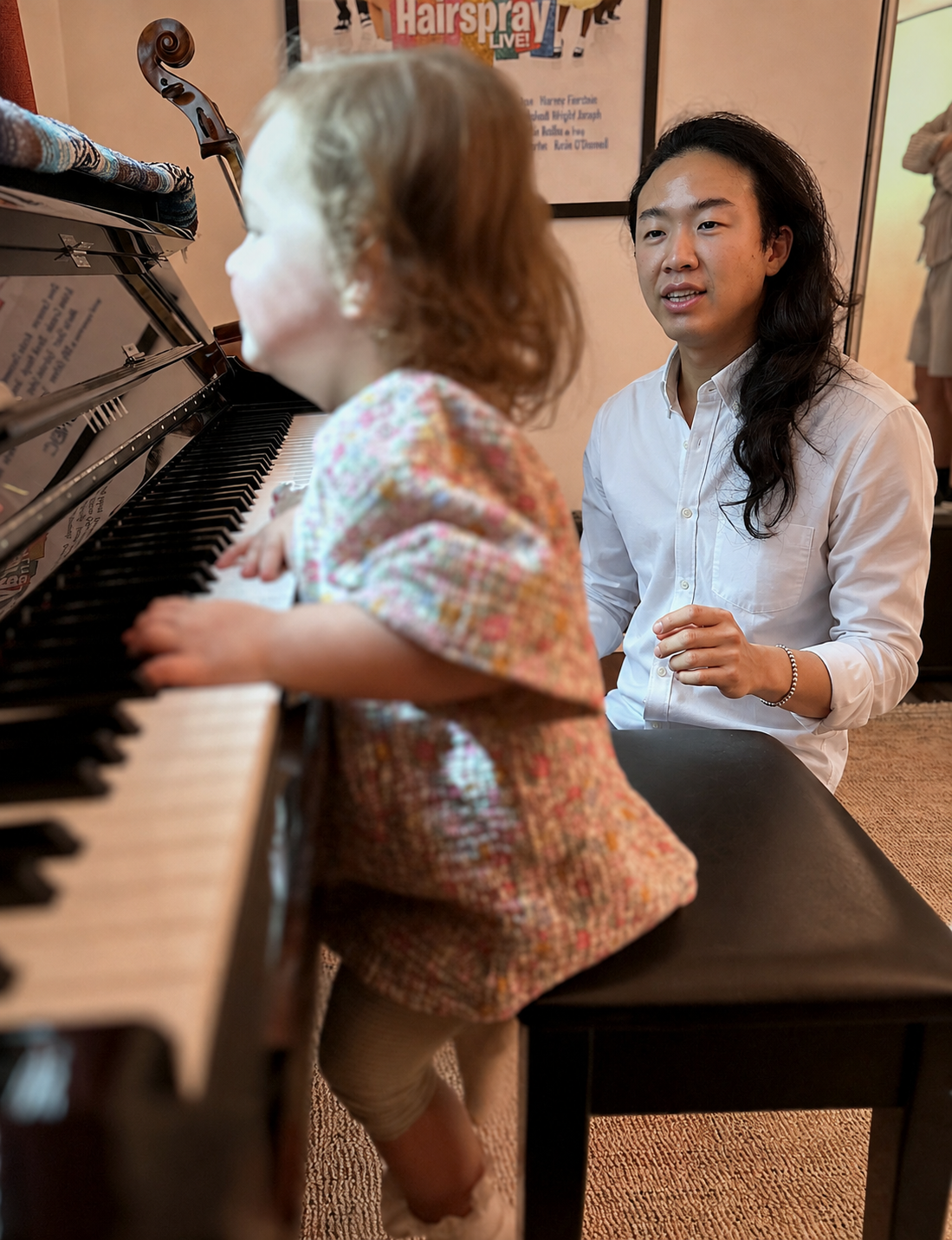
Most piano instruction treats technique as one-size-fits-all. Mine doesn't. Through movement-based methods like the Taubman Approach, I've developed a close, physical understanding of how the body actually plays — which means lessons start by understanding how your child's body and mind work, not by forcing them into a generic method. The goal isn't just correct notes. It's removing every technical obstacle between a child's imagination and the sound they're trying to make.
Built for every kind of mind
Every child is wired differently — physically and neurologically — and I teach accordingly. Whether a student is naturally exacting, easily distracted, sensory-sensitive, or somewhere in between, the method adapts to them. This isn't a program a child has to fit into. It's one built around how they already learn.
What this looks like in a lesson
Practically, this means fewer drills for drilling's sake, and more attention paid to why something isn't clicking before we try to fix it — whether that's a hand position, a mental block, or simply a mood that day. Technique becomes something a child understands in their body, not just something they're told to repeat.